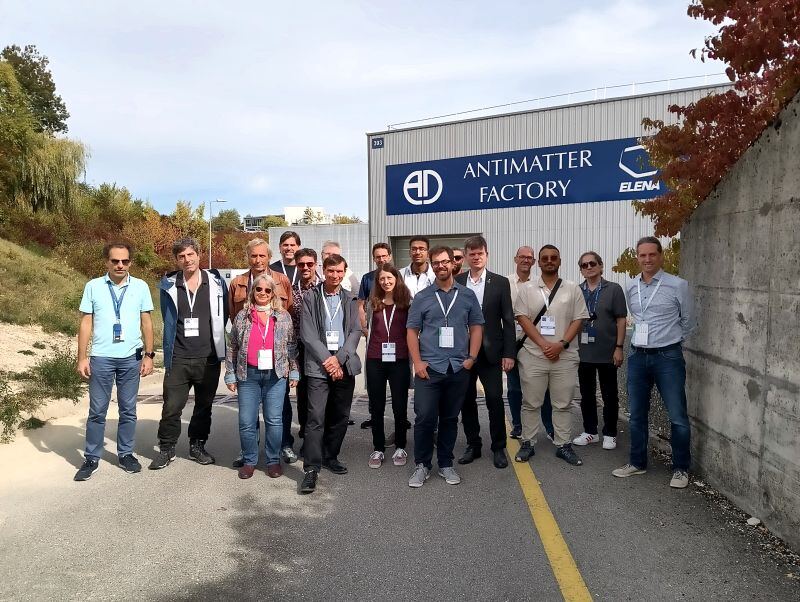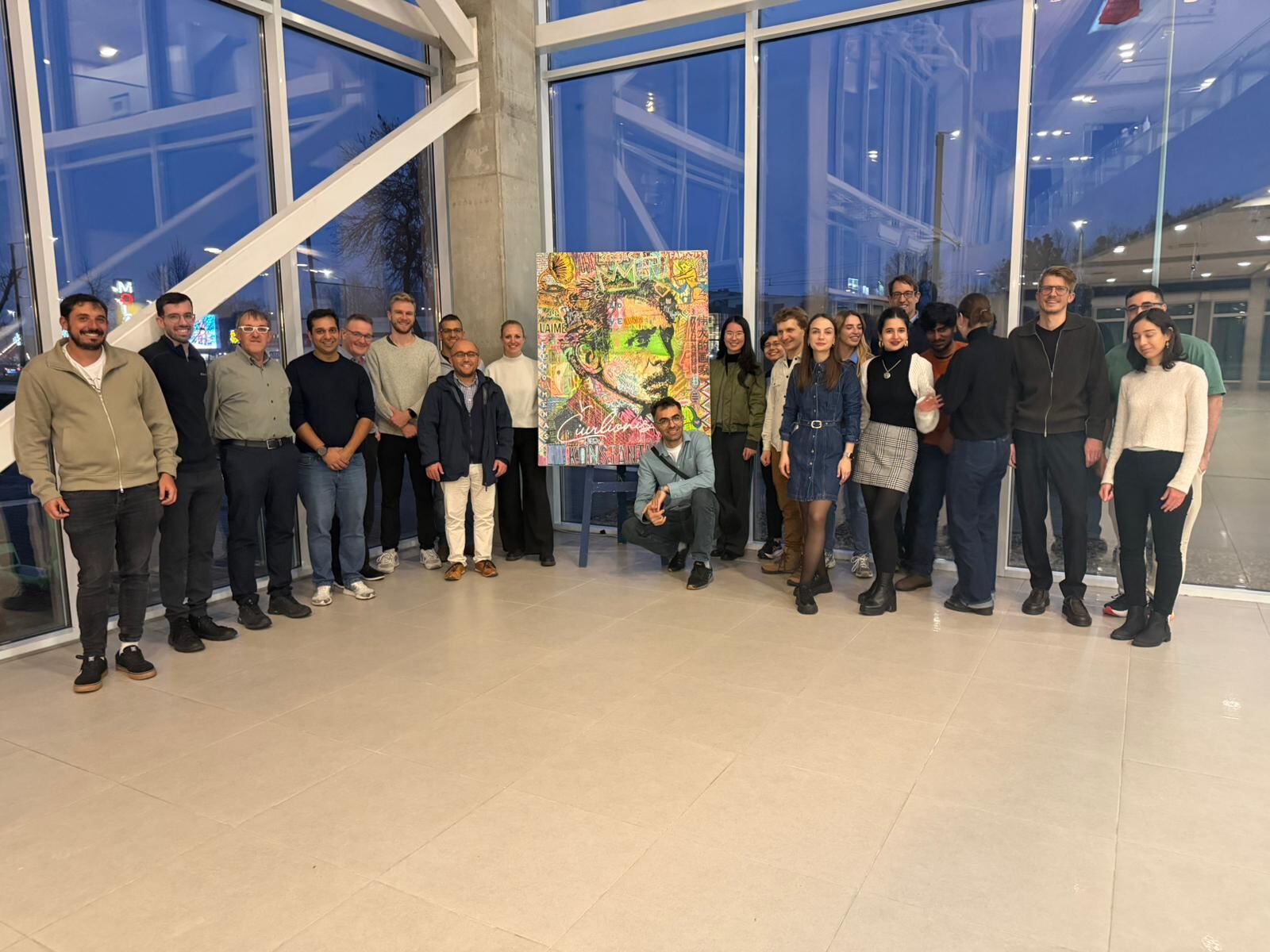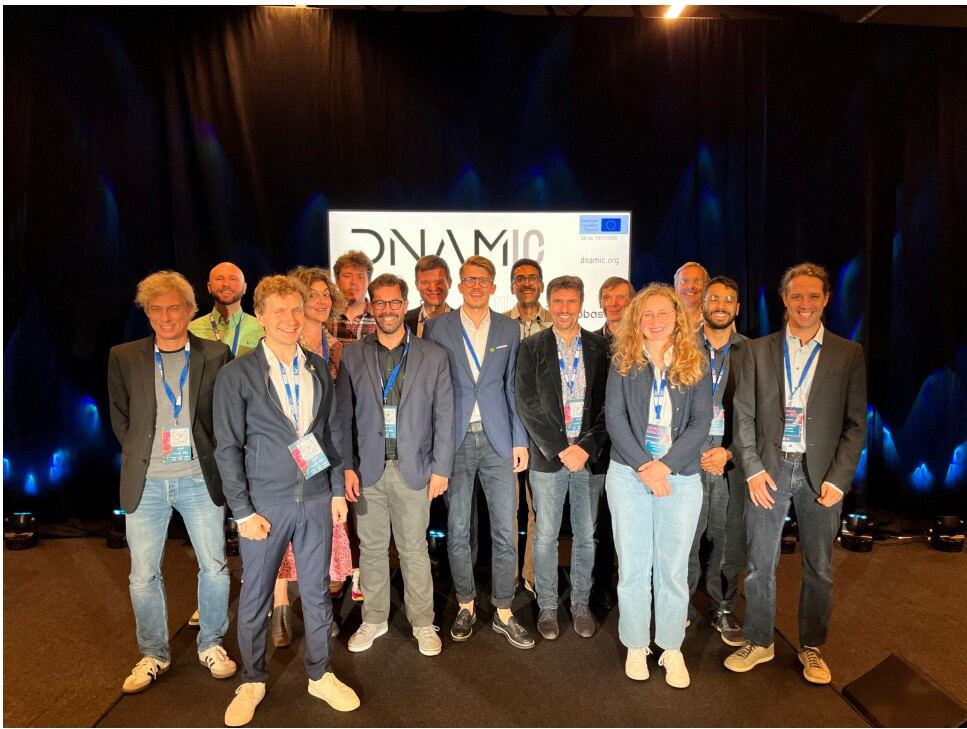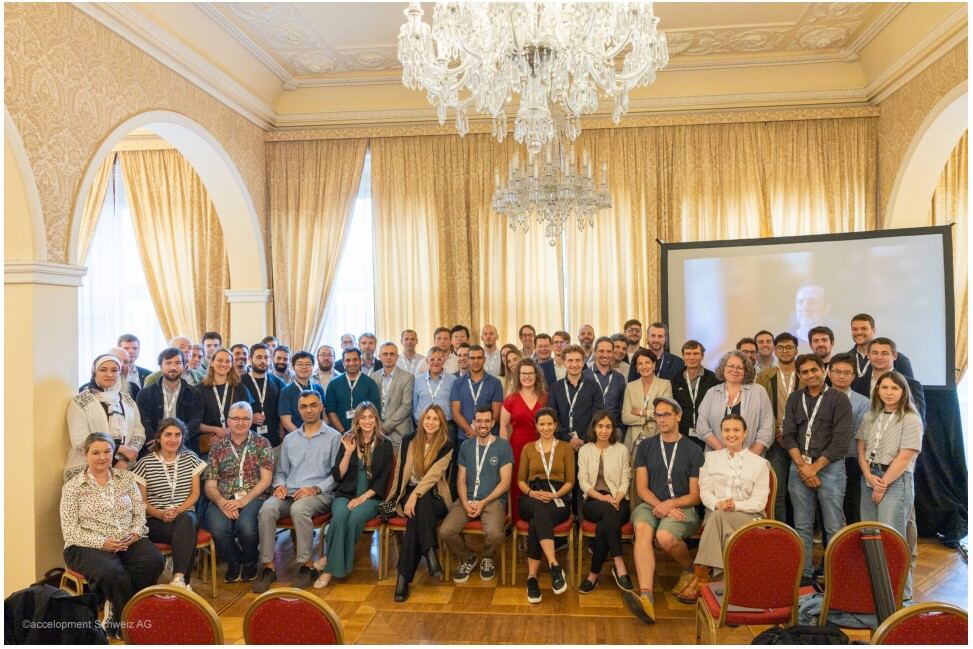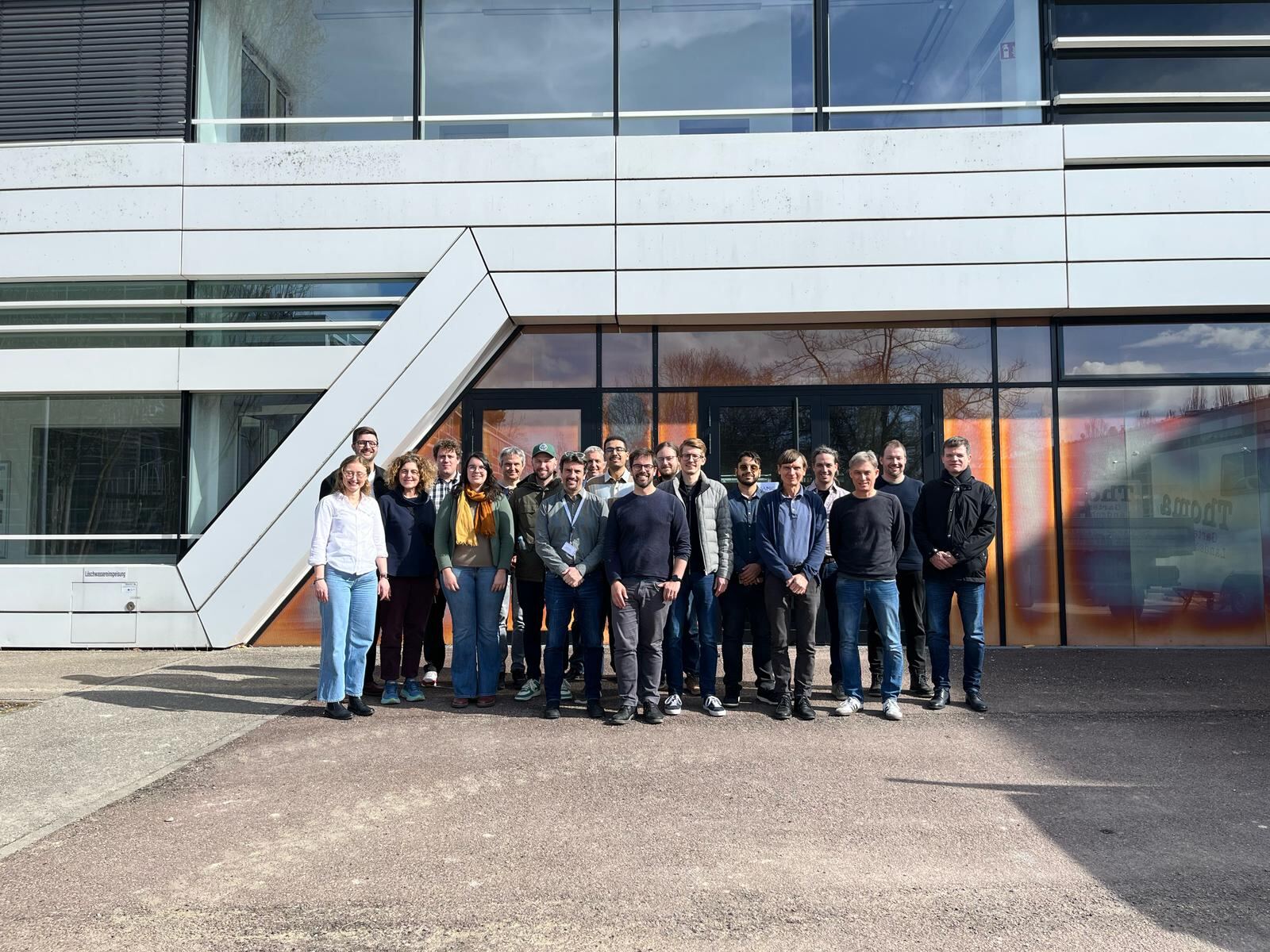
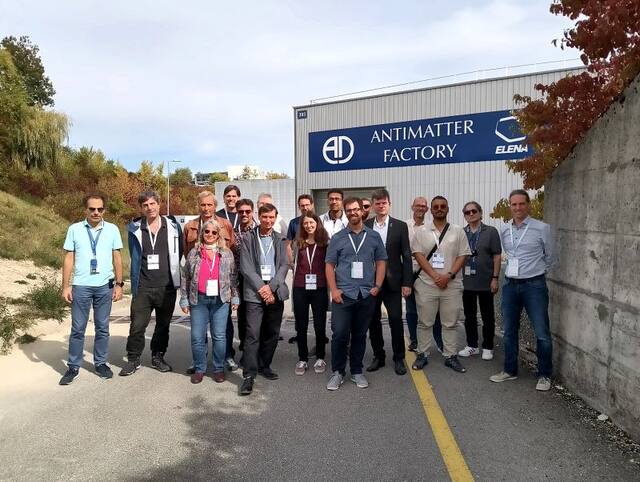

On 28–29 September 2026, the DNAMIC consortium came together in Geneva, Switzerland, for its final project meeting, hosted by one of the project partners – the University of Geneva (Université de Genève). The meeting marked an opportunity to reflect on our work towards autonomous DNA-based data archiving, share project outcomes, and discuss the next steps.
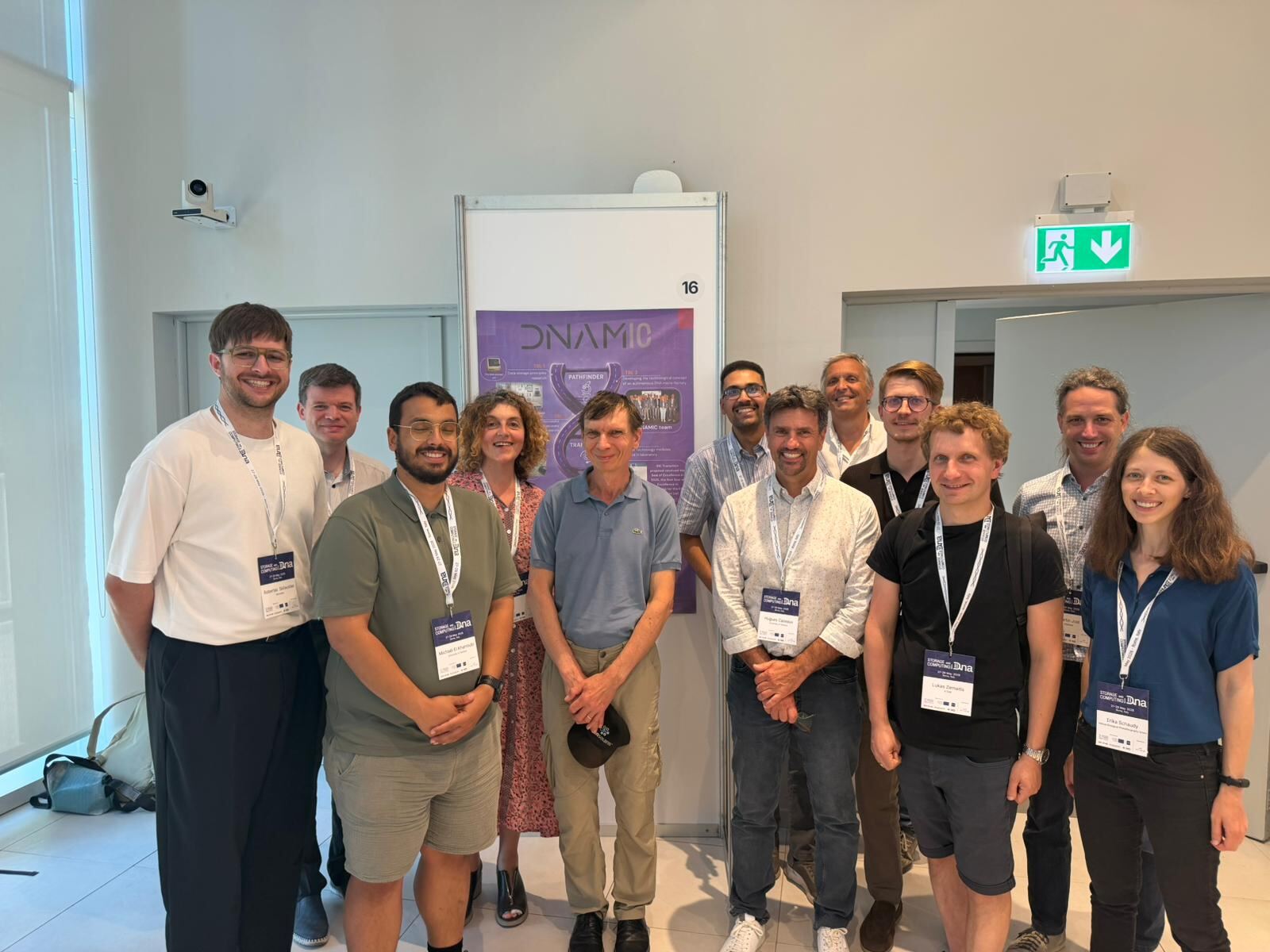
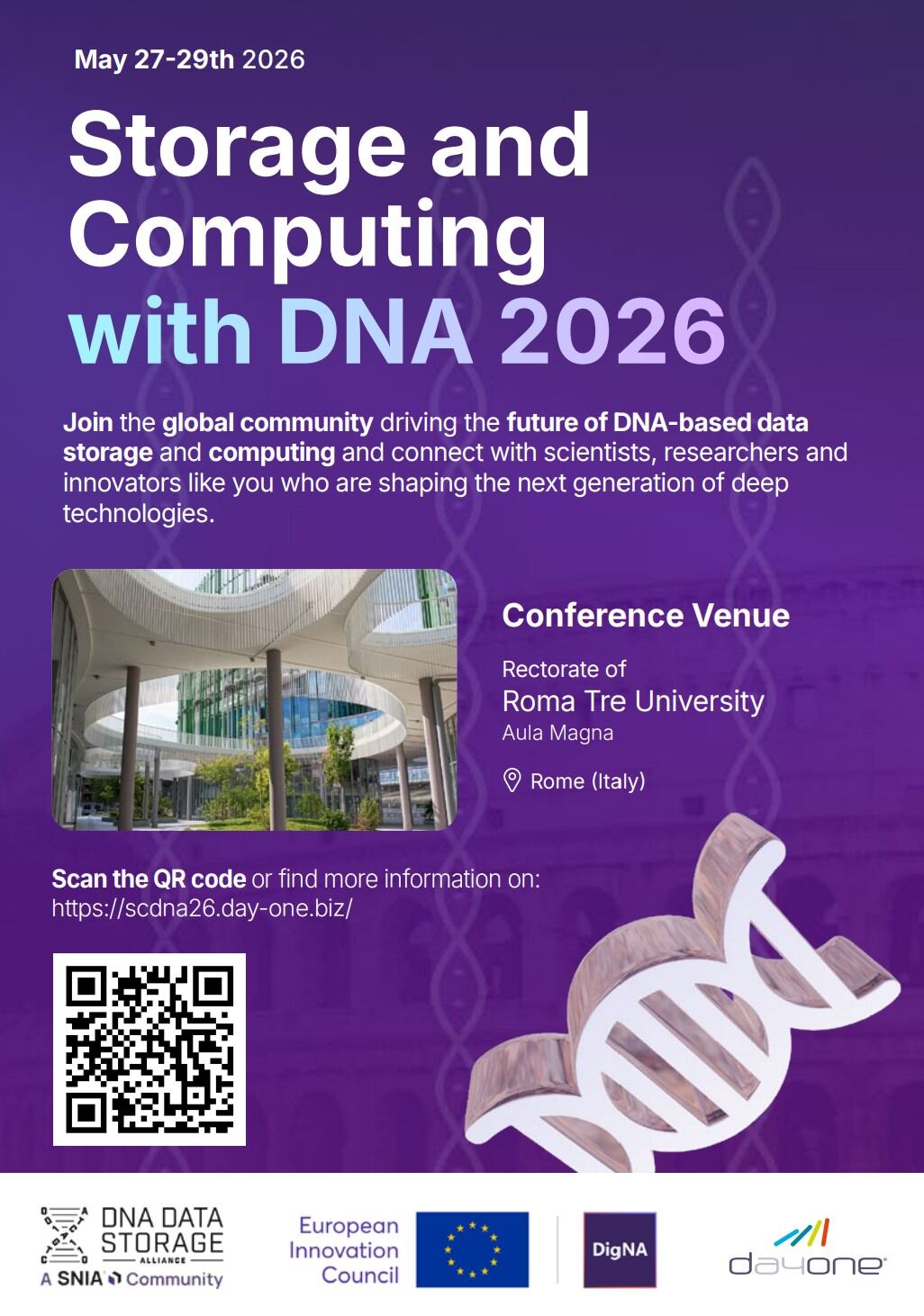
The International Conference “Storage and Computing with DNA 2026” (SCDNA26) is dedicated to DNA data storage and DNA computing technologies, bringing together scientists, innovators and industry representatives. The conference was held on May 27–29, 2026 in Rome, Italy, and discussed the most advanced technologies related to sustainable long-term data storage, bioinformatics and DNA-based computing systems.
During the event the 6th DNAMIC project consortium meeting was held, dedicated to discussing the progress of the project, strengthening cooperation and planning further activities.
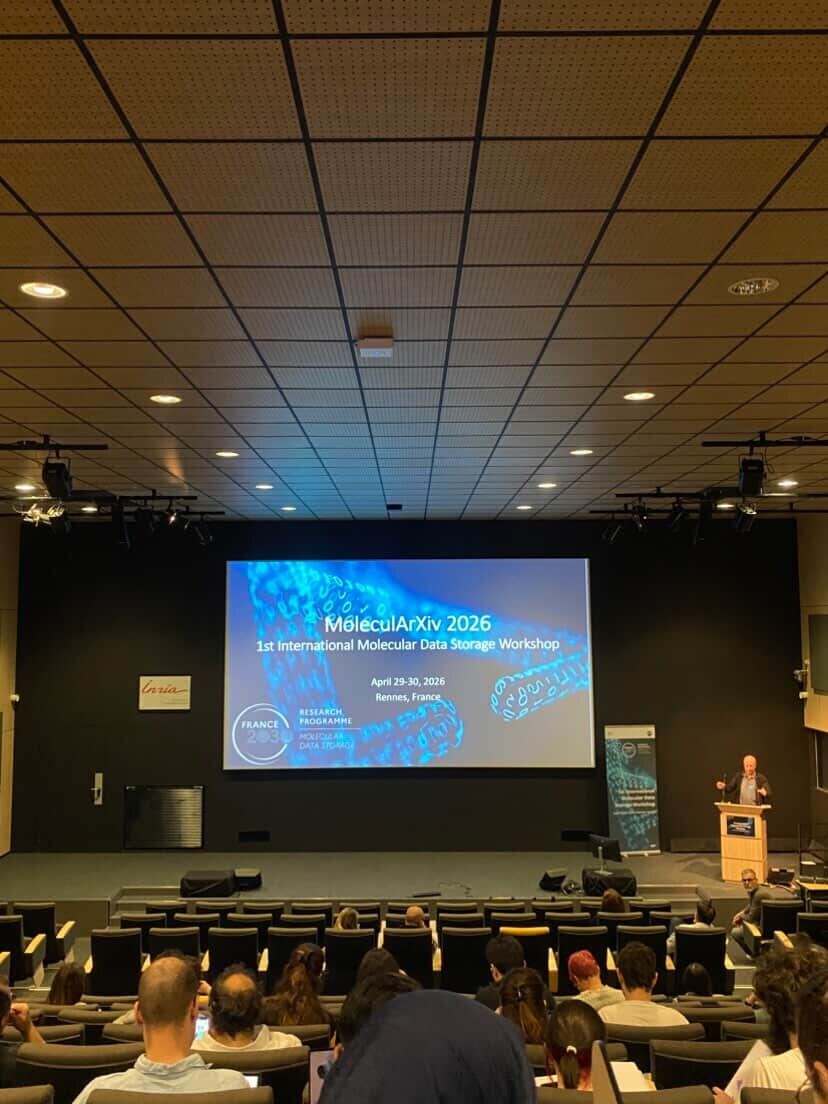
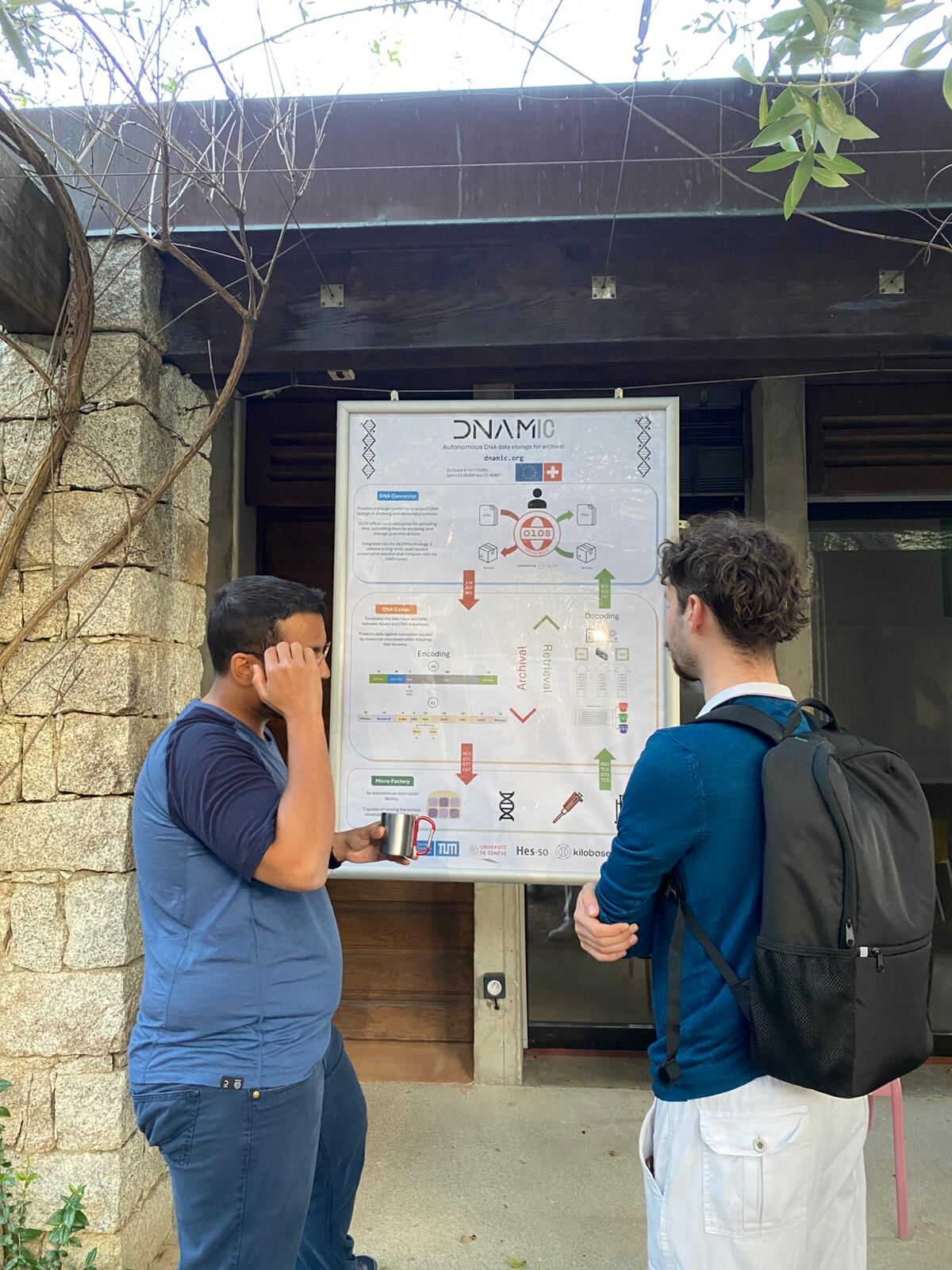
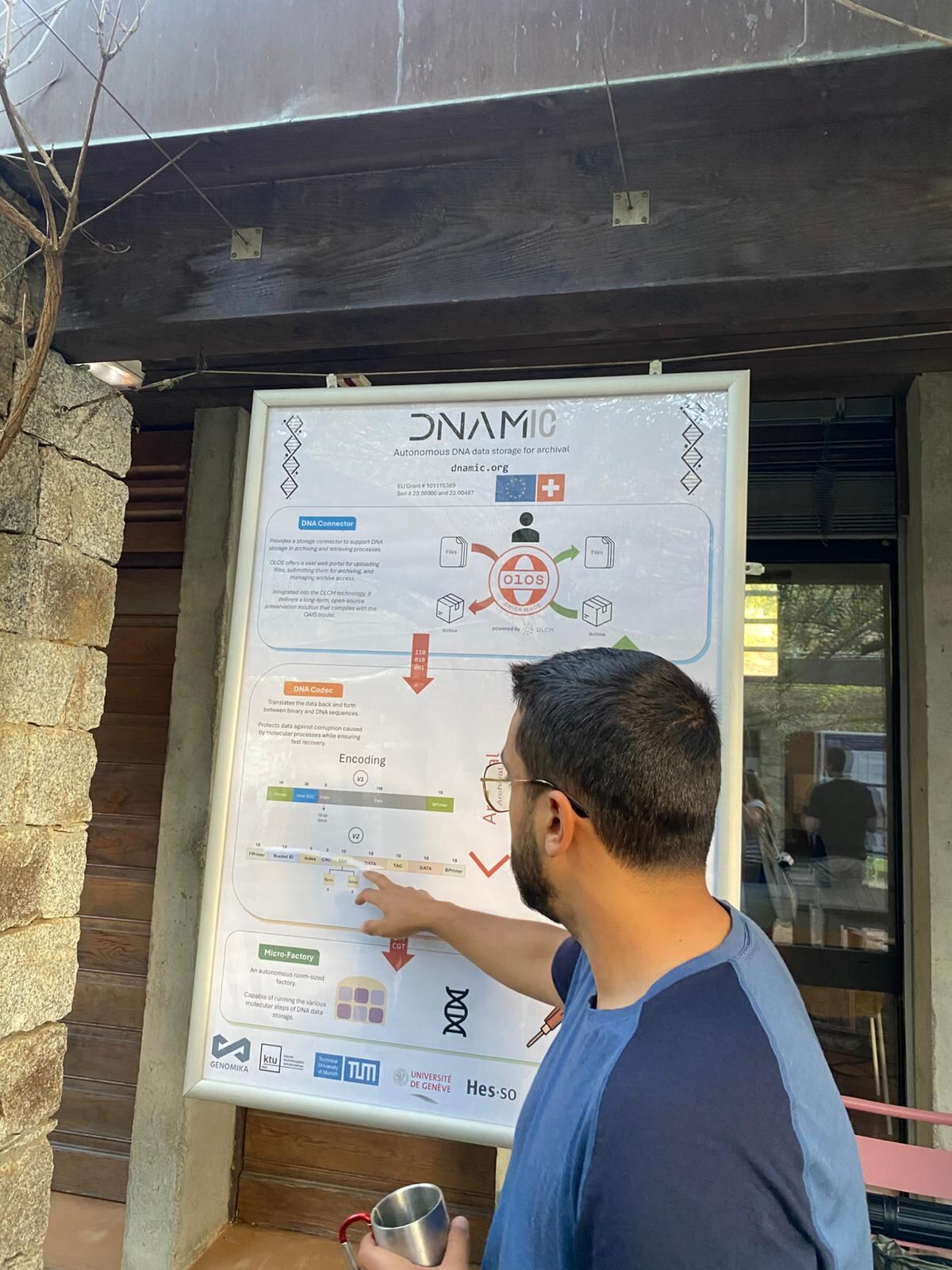
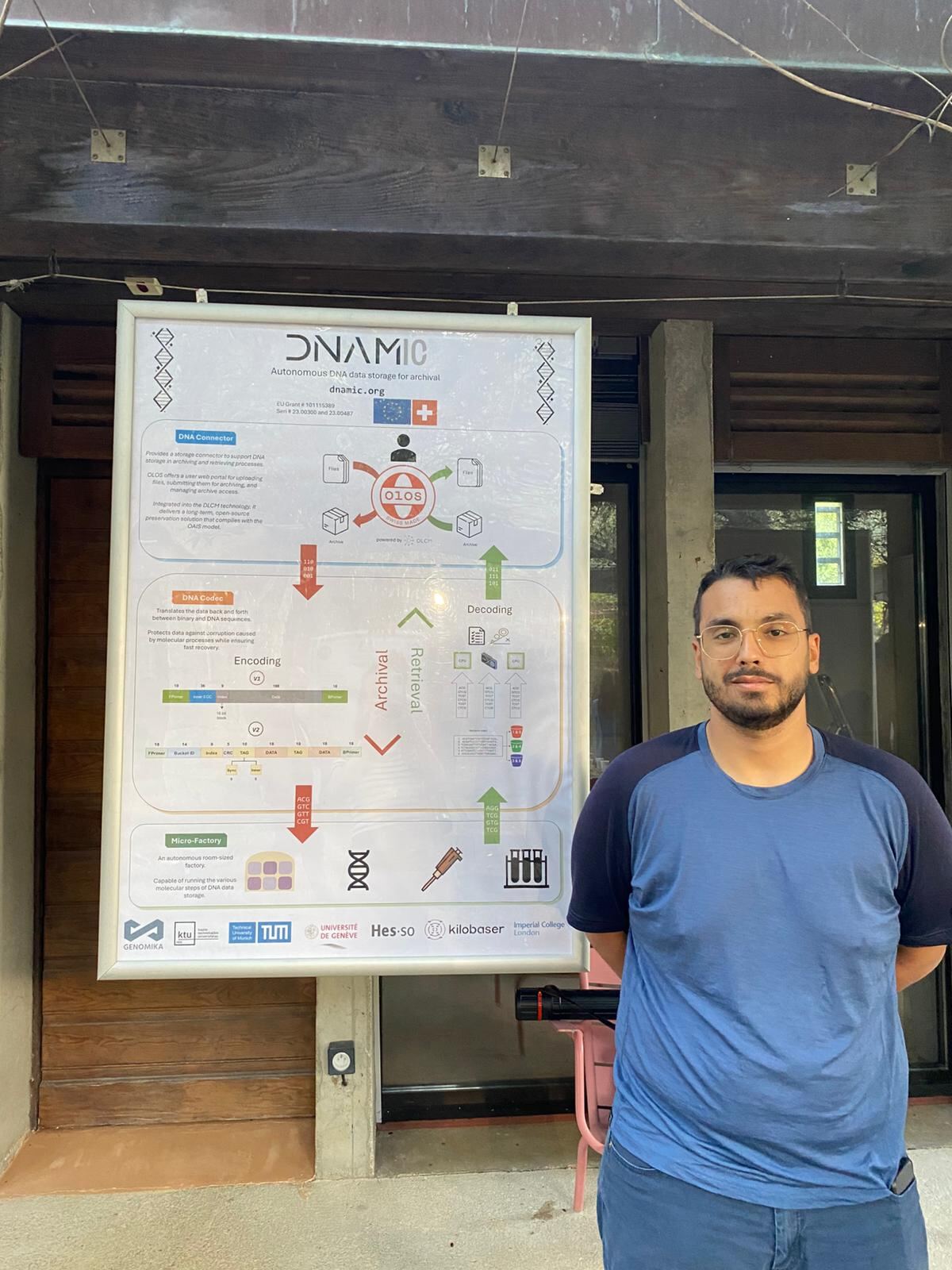
DNAMIC team members participated in the international event “MoleculArXiv 2026 – 1st International Molecular Data Storage Workshop”, held on April 29–30, 2026 in Rennes, France. The event brought together an international community of scientists and innovators working in the field of DNA and molecular data storage, and promoted interdisciplinary discussions on next-generation data storage technologies, encoding methods, sequencing and data recovery.
Participation in “MoleculArXiv 2026” provided an opportunity to present the DNAMIC project and progress and increase the visibility of the project in the rapidly growing European deep learning and DNA data storage ecosystem.
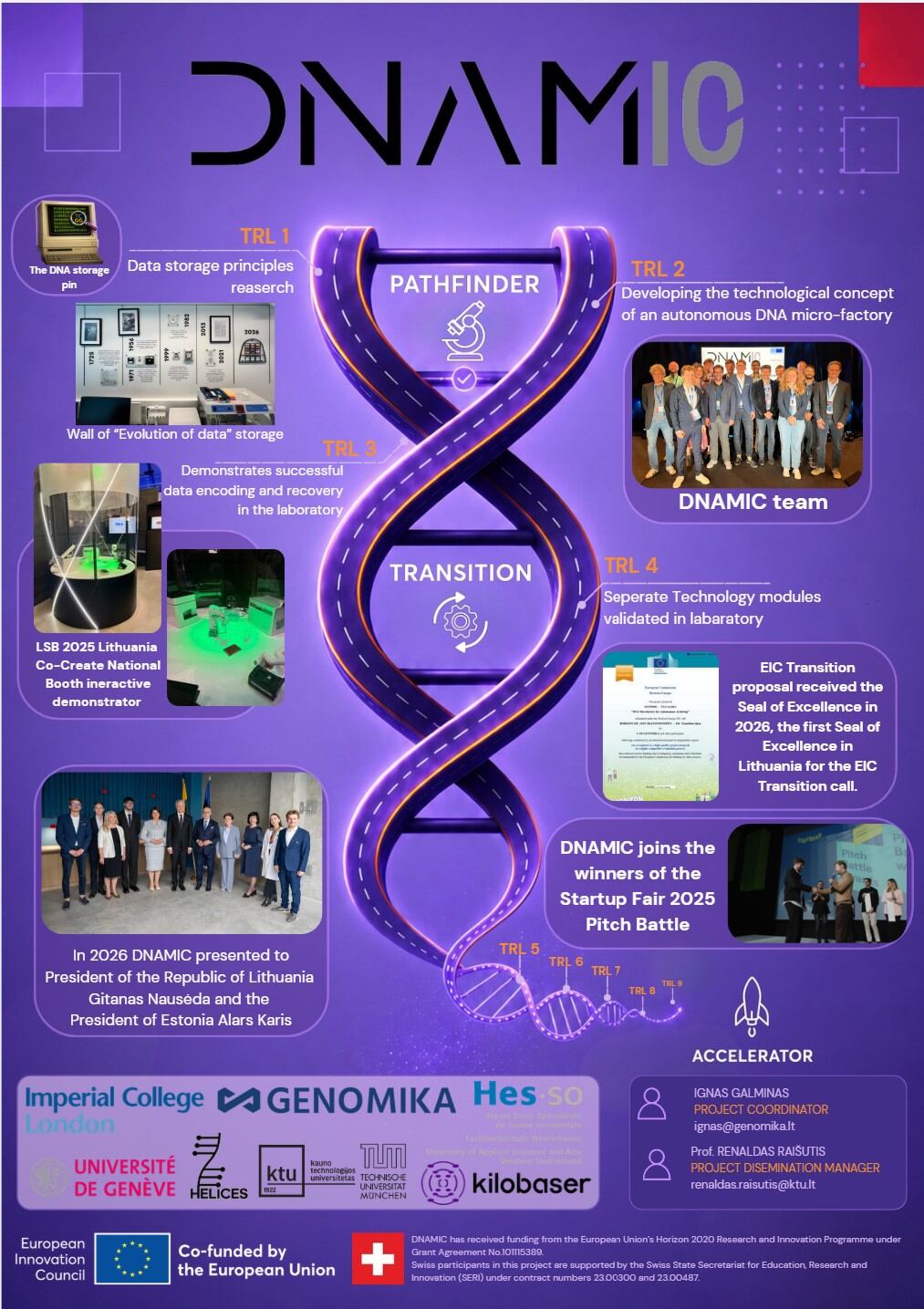
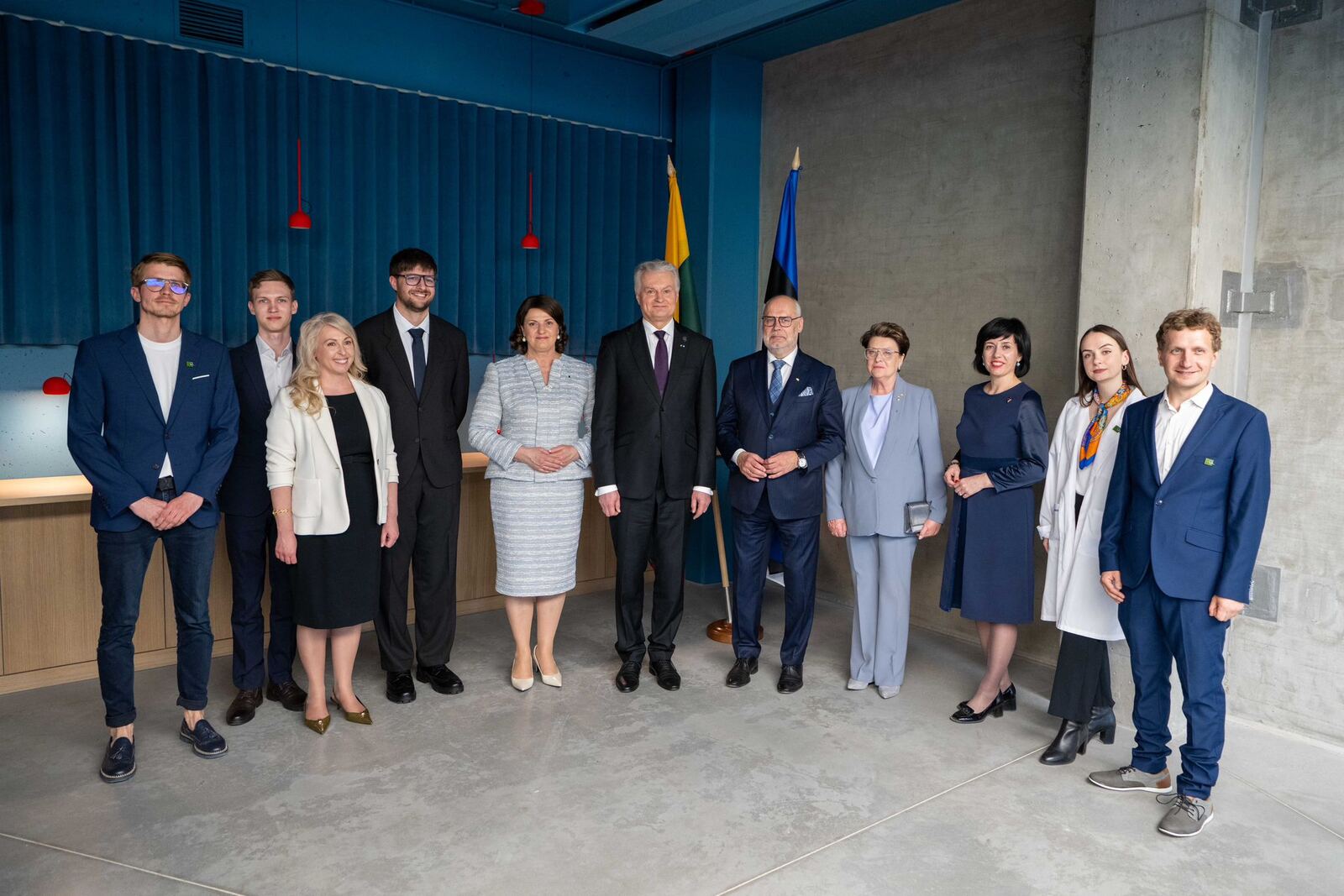
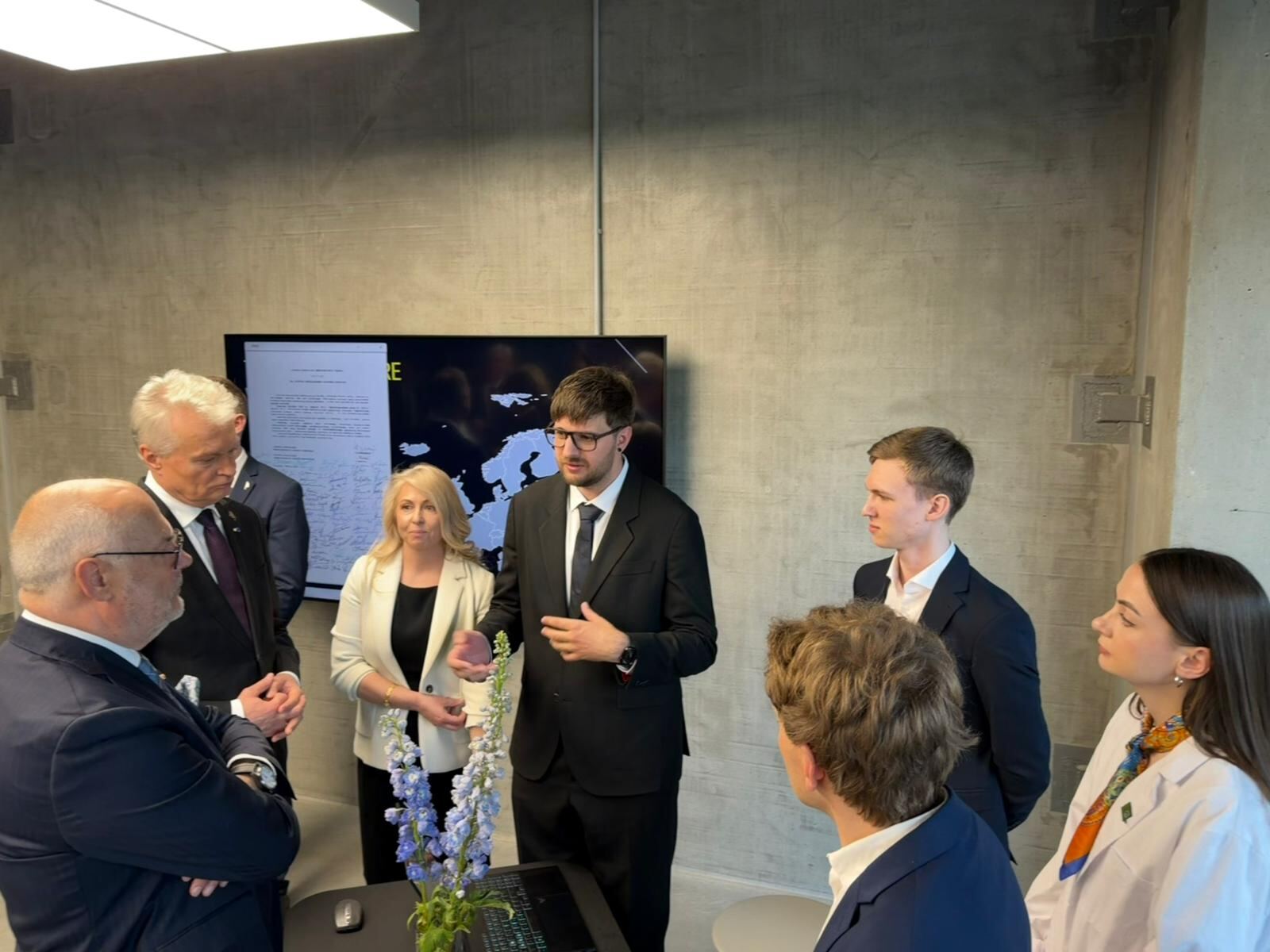
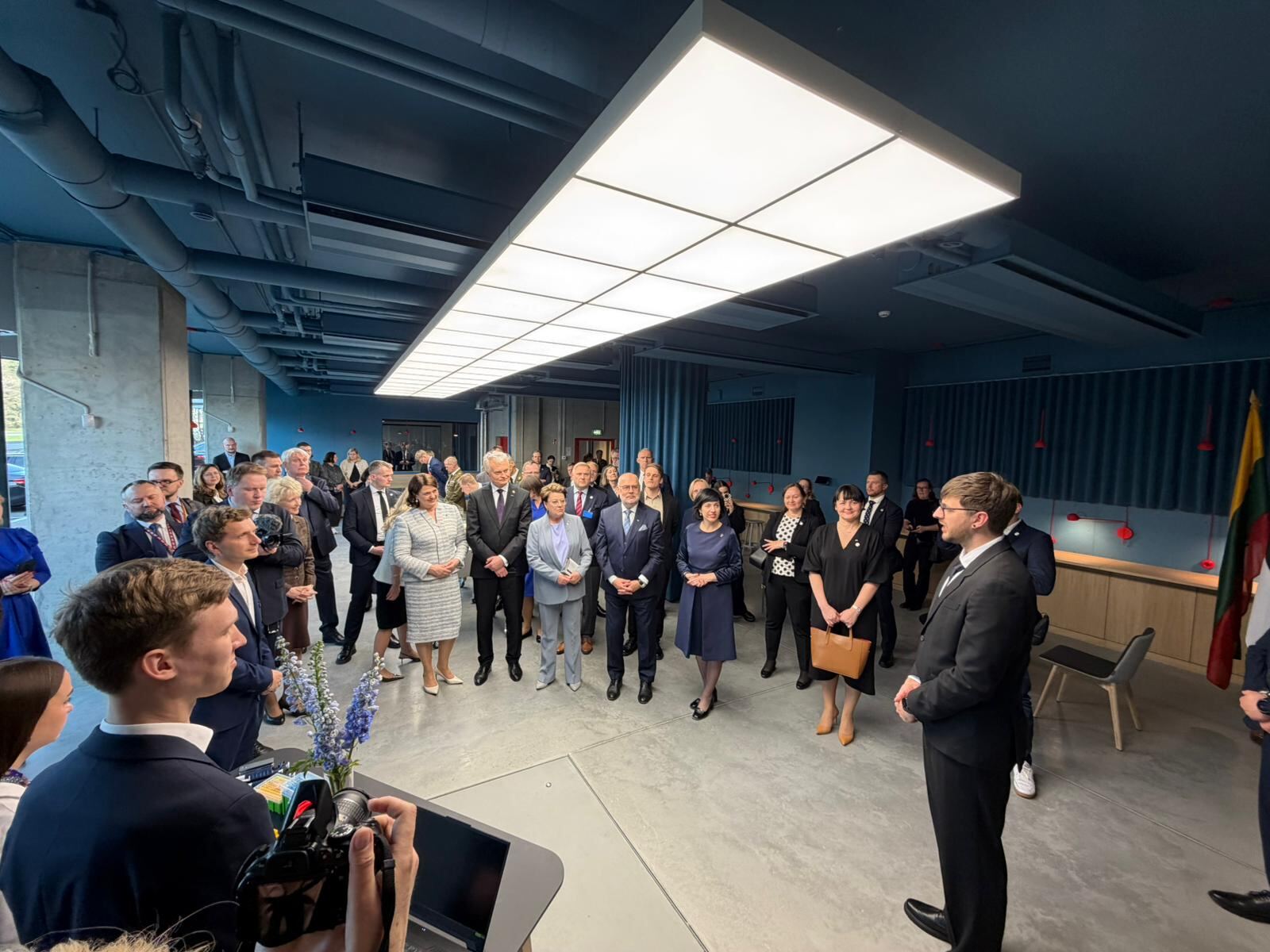
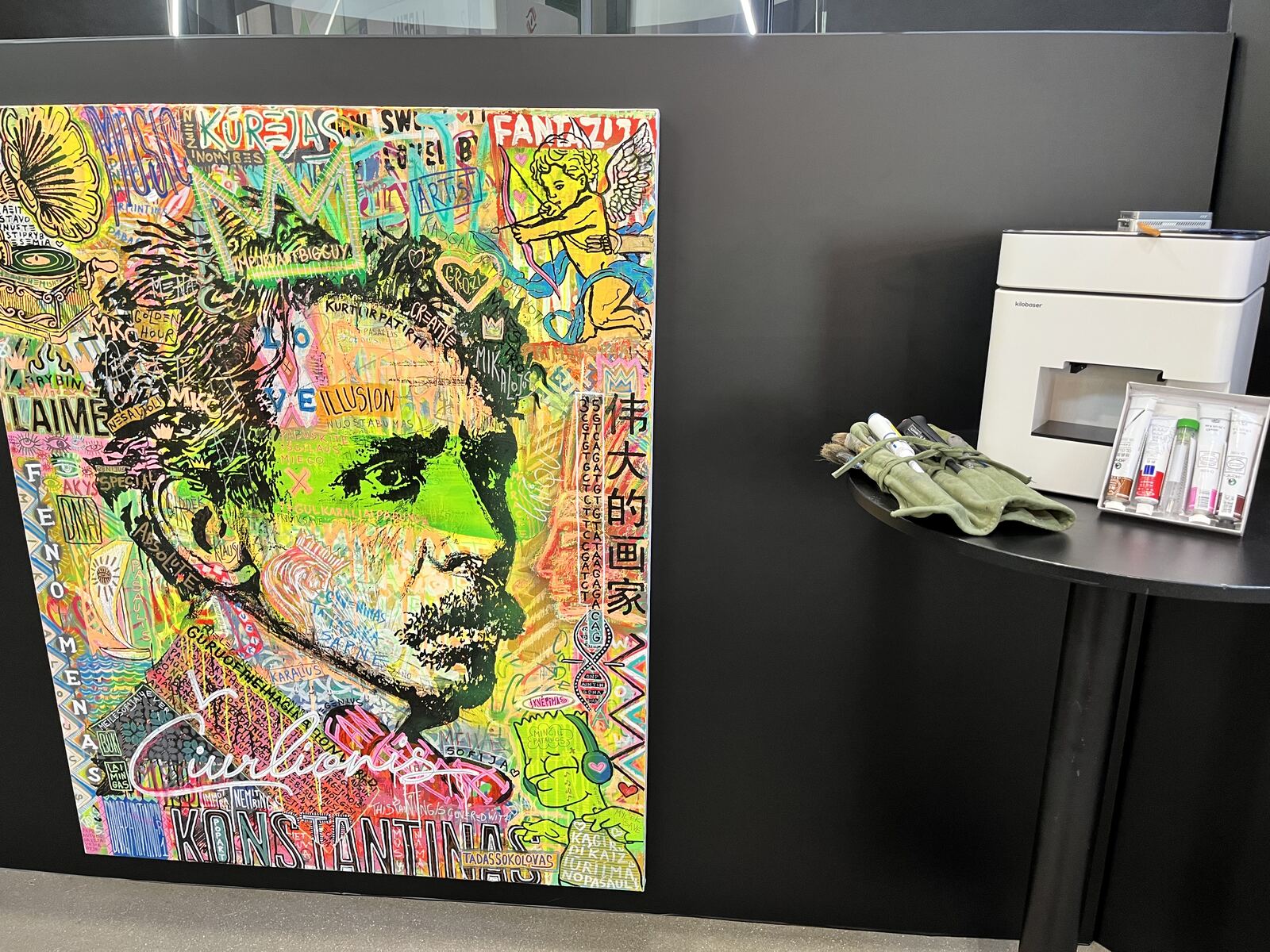
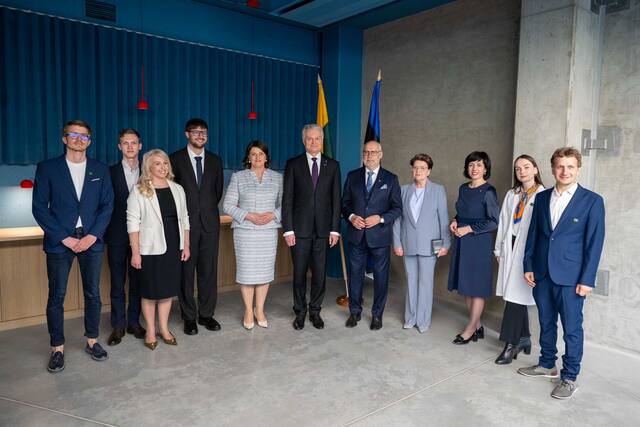
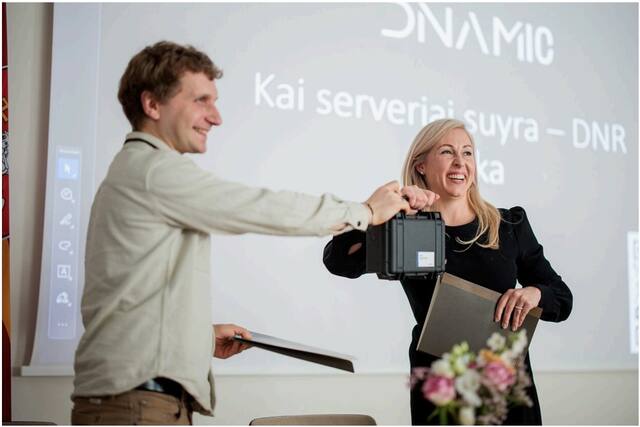
A day that will be remembered forever! It was our pleasure to present DNAMIC’s work and the digital copy of the original Act of the Re-Establishment of the State of Lithuania, stored in DNA, to the President of the Republic of Lithuania Gitanas Nausėda and the President of Estonia Alar Karis at the Lithuanian State Modern Archives. Lithuania and Estonia are connected by a strong partnership that is based on shared values and history. During the visit, data storage solutions based on DNA were presented as an innovative and sustainable alternative for archiving data of national importance.
In the context of this meeting of two Baltic states it was significant to talk about how our common history can be preserved not only in digital media, but also in a molecule that is naturally adapted to archive information. Facing the geopolitical tensions and living in the shadow of war in Ukraine, the Baltic countries are aware that the protection of cultural heritage and critical information is becoming one of the most important priorities. Countries are looking for ways not just to preserve information but also to ensure its passing to future generations.
President Gitanas Nausėda said: “I believe that stable and high-density DNA storage will eventually not only allow for more sustainable and reliable storage of a very large amount of Lithuania’s national memory, but will also be widely used worldwide.”
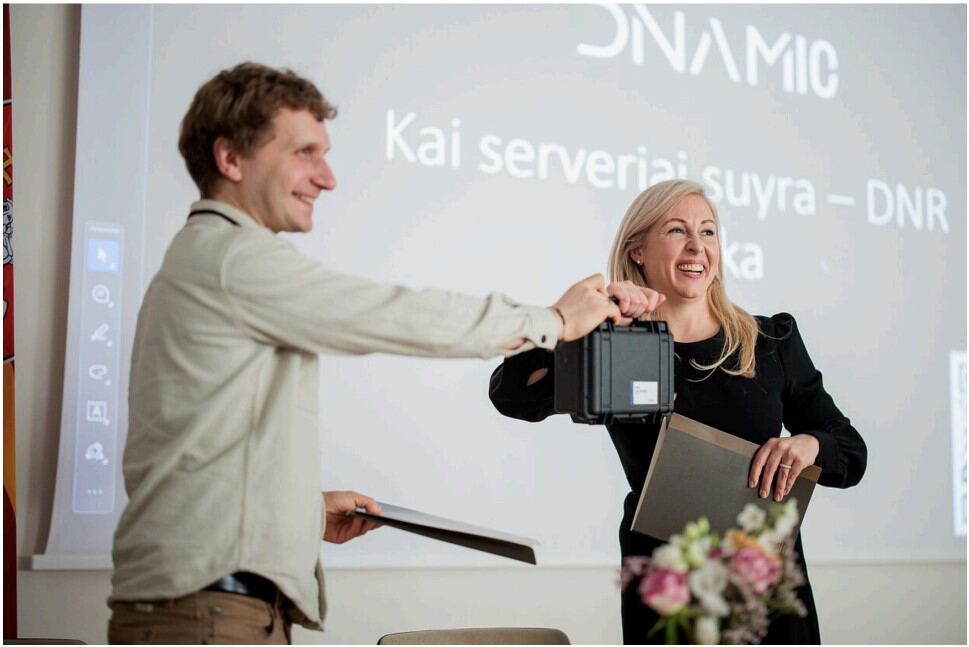
On the eve of March 11, the Lithuanian Independence Day, the DNAMIC team recorded a digital copy of the Act of Re-Establishment of the State of Lithuania into DNA. For Lithuania, March 11 marks the historic moment in 1990 when the country’s independence was restored. The preservation of this document using DNA data storage technology symbolizes the preservation of national memory for future generations.
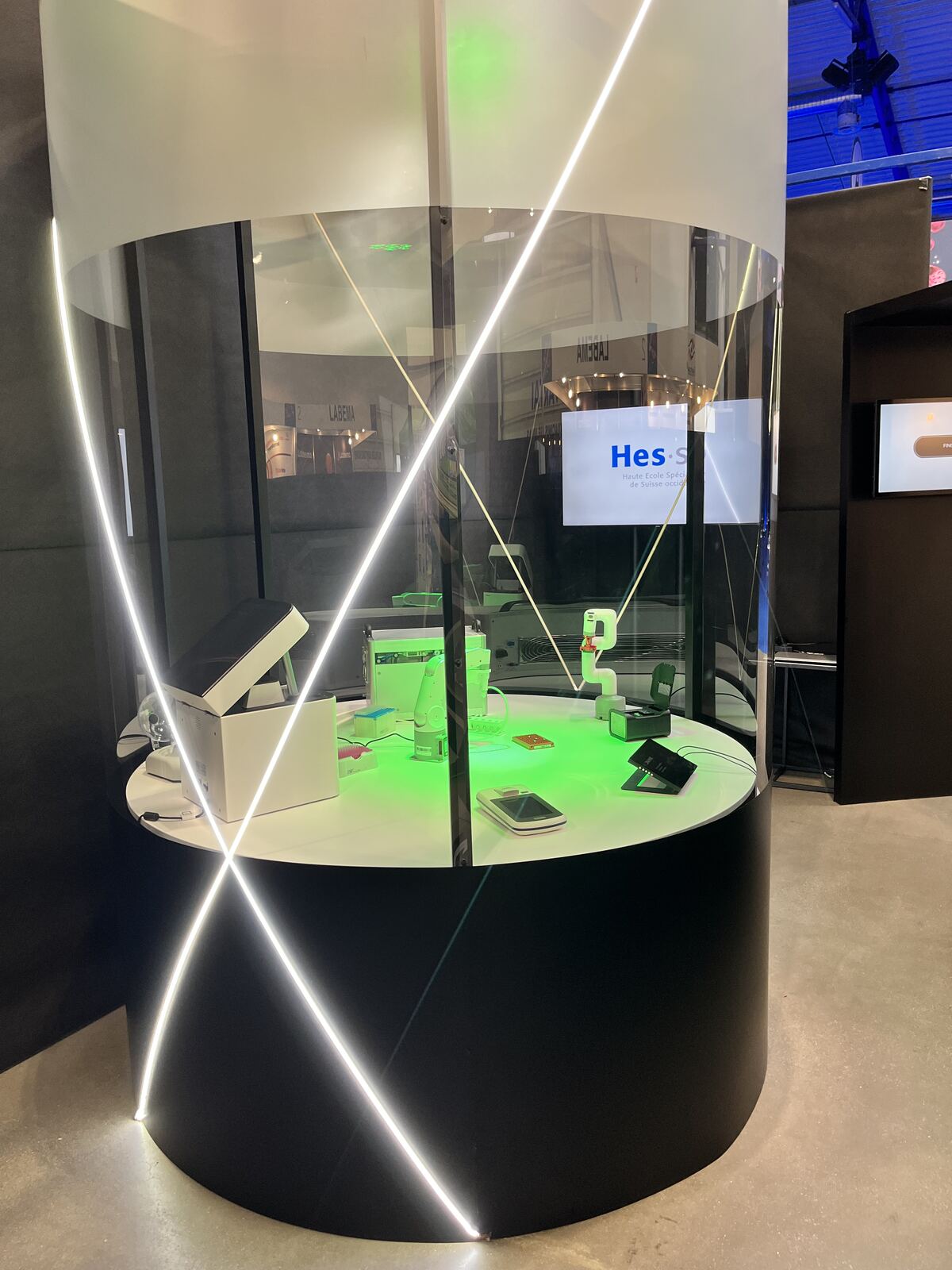
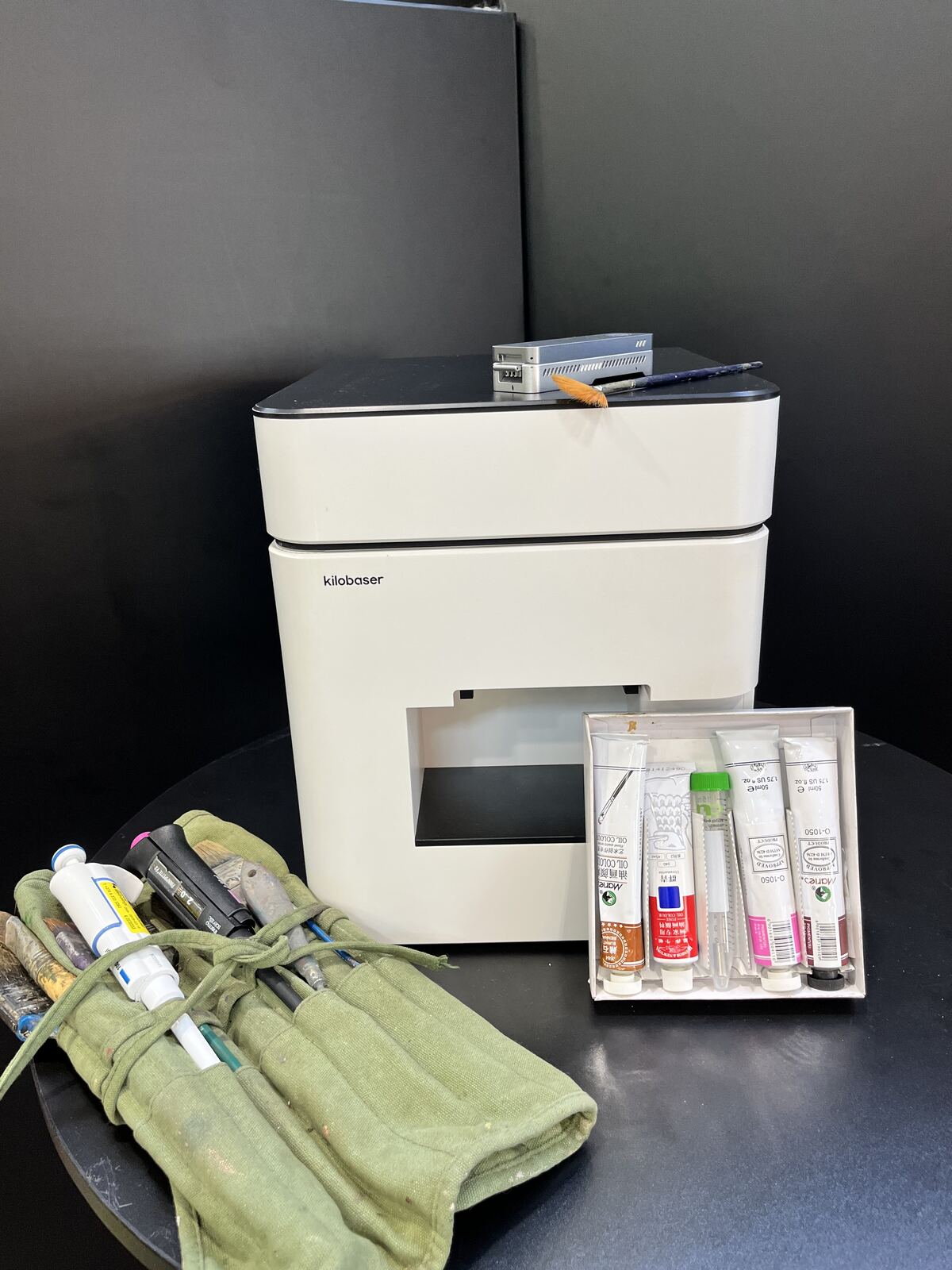
The initiative was implemented in cooperation with the Lithuanian Supreme Archives Service, which, together with the DNAMIC team, is exploring the possibilities of DNA as a future archiving medium. The DNAMIC project is implemented by the company “Genomika” together with partners Kaunas University of Technology, Technical University of Munich, Kilobaser GmbH, HES-SO (Haute École Spécialisée de Suisse occidentale), the University of Geneva and Imperial College London.
We sincerely thank the Chief Archivist of Lithuania Inga Zaksauskienė and the archival team — Karolina Gike, Darius Baronas and colleagues — for their cooperation in implementing this symbolic and technological initiative.
Genomika had the honor of hosting DiDAX (DNA Data Applications) consortium partners in Lithuania. During the visit, partners had a chance to see the laboratories of Genomika and of one of Genomika’s partners, the Prof. K. Baršauskas Institute of Ultrasound Science (KTU).
From 10 to 14 November 2025, DNAMIC partners joined PhD students and researchers in Cargèse for the PEPR MoleculArXiv Autumn School — an immersive training event dedicated to DNA-based data storage and molecular information technologies. Ignas Galminas (Genomika Lietuva) delivered an Industry Spotlight Talk, sharing practical insights from DNAMIC’s micro-factory vision.
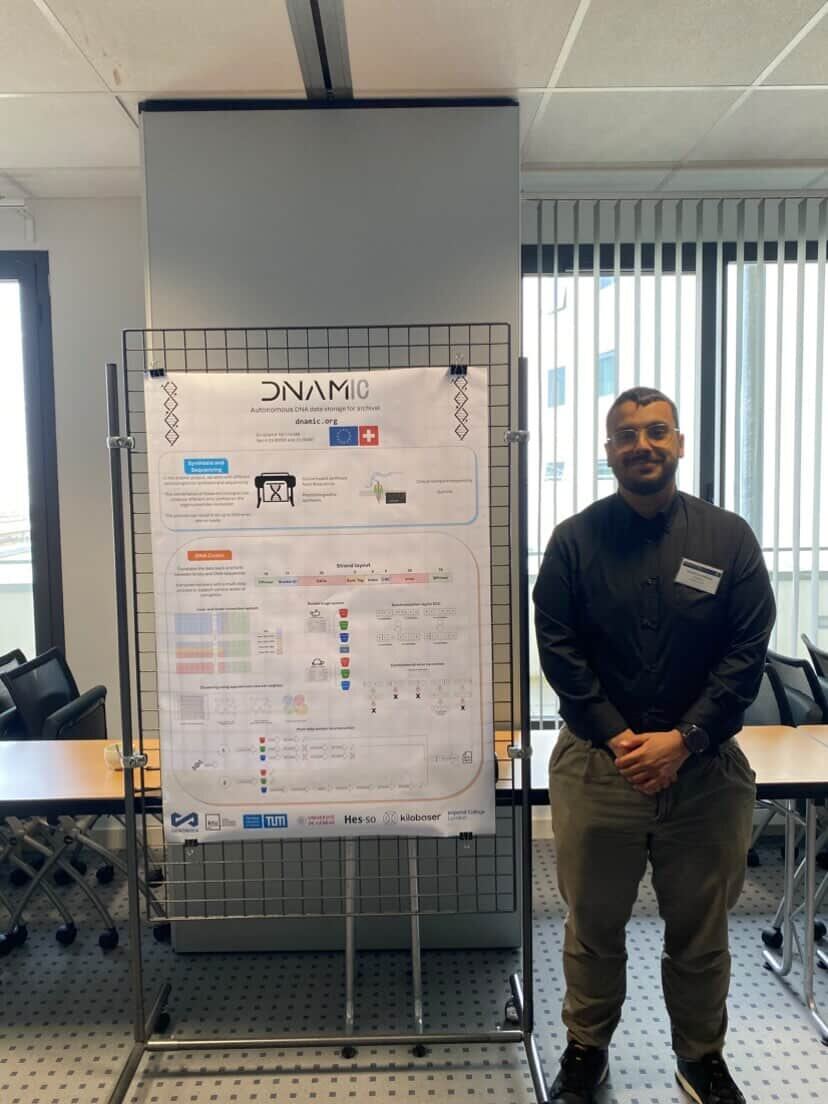
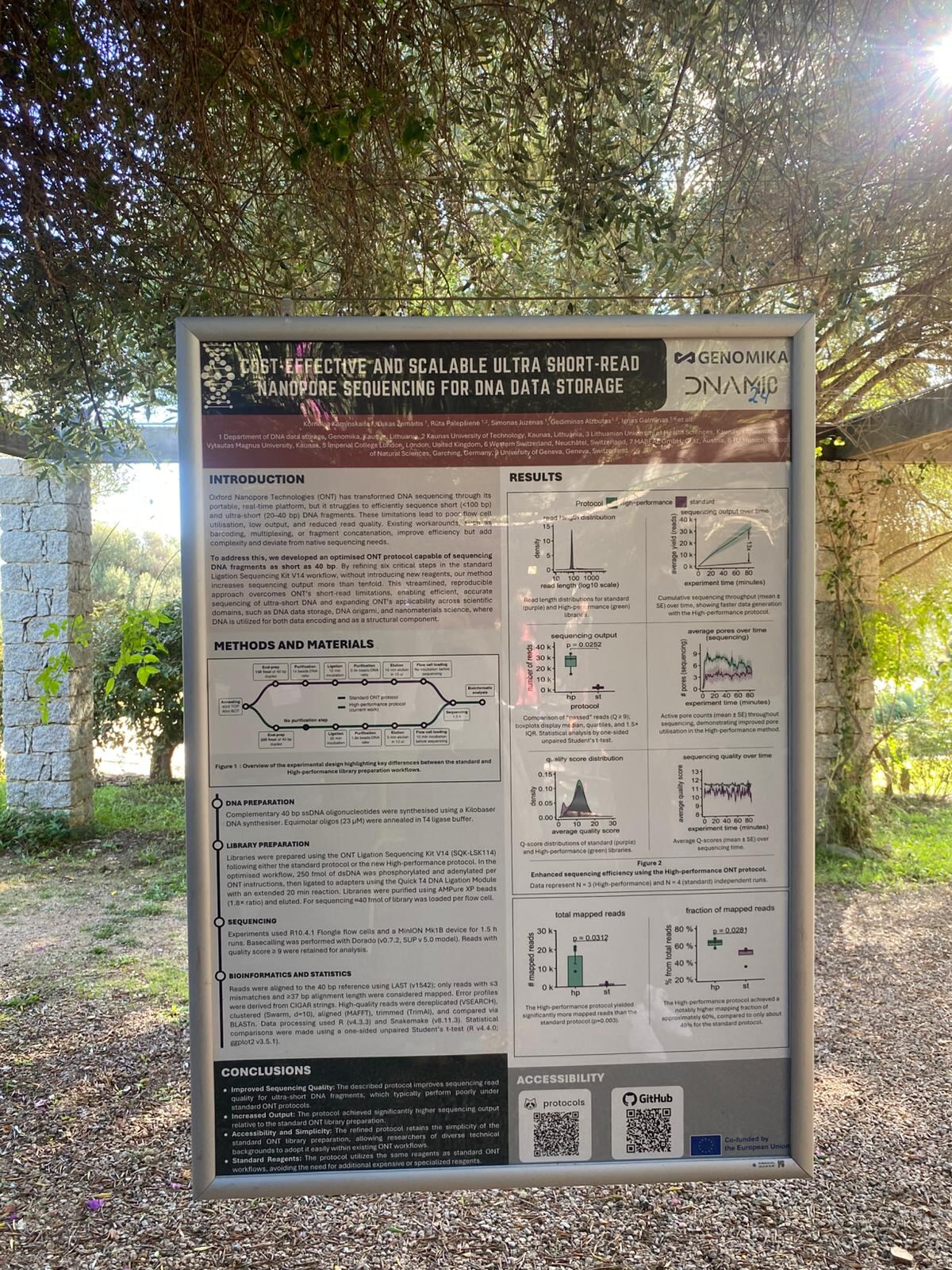
In the poster sessions, the Genomika Lietuva team — Kornelija Kaminskaitė, Duygucan Gül, Ignas Galminas and Simonas Juzėnas — presented their DNAMIC-developed High-Performance Protocol for UltraShort DNA Sequencing Using Oxford Nanopore Technology. From the University of Geneva, Michaël El Kharroubi showcased DNAMIC’s autonomous CODEC for long-term DNA archiving — validated on ~1 MB of synthetic DNA and being accelerated toward 1 TB decoding in under 12 hours.
A warm thank you to the organizers — Serge Kas Hanna, Michela Testolina, Vasily Shenshin and Marc Antonini — for an excellent program and for supporting the next generation of molecular storage innovators.
The DNAMIC team and consortium partners came together at Life Sciences Baltics 2025 for two days full of innovation, collaboration, and vision. From inspiring presentations and engaging panel discussions to the opening of the Lithuania Co-Create National Booth, consortium meetings, and the excitement of the Pitch Battle – these moments capture our journey of bringing DNA data storage from theory to practical application.
The 5th DNAMIC Consortium Meeting took place during Life Sciences Baltics 2025 in Vilnius, Lithuania on September 17–18. Across two productive days, all consortium partners gathered to present the latest project updates, align on research progress, and discuss next steps in advancing DNA as a sustainable data storage medium. We thank all partners for their active contributions and commitment to pushing forward the DNAMIC mission.
On 2 June 2025, the nine projects funded under the 2022 EIC Pathfinder Challenge: DNA-based Digital Data Storage met in Prague for the second annual DigNA Portfolio Meeting. The aim of the event was to review project progress, coordinate next steps through Working Group sessions, and define a shared roadmap for the future of DNA-based data storage.
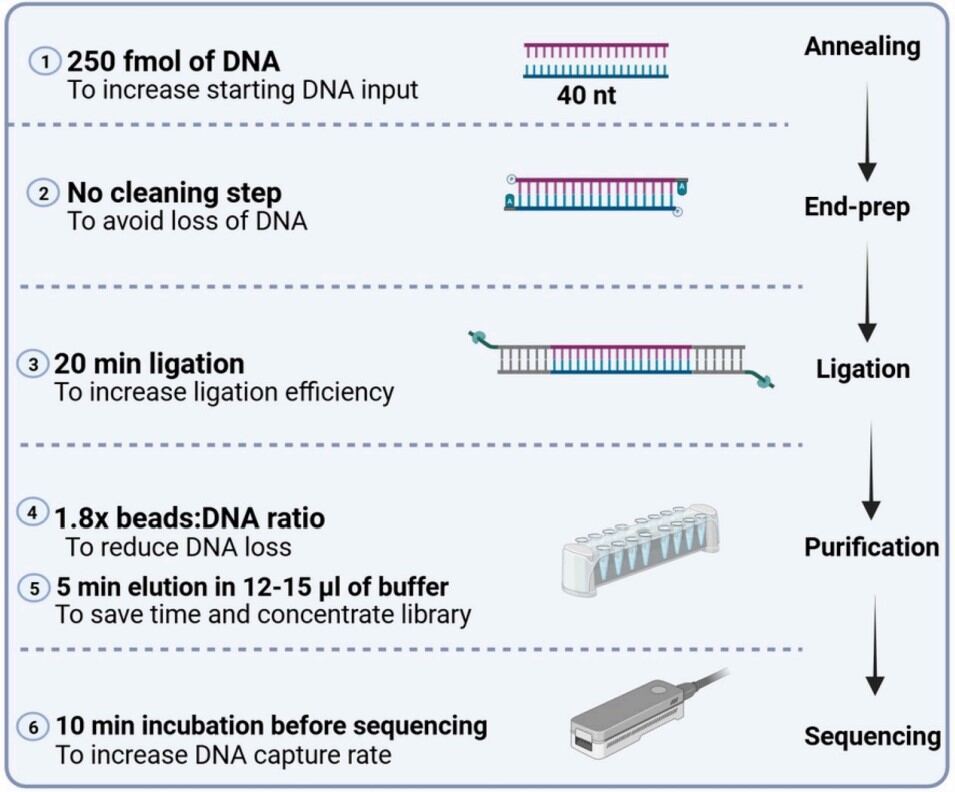
We are pleased to announce the publication of a novel sequencing protocol developed within the DNAMIC project. This high-performance method enables reliable and efficient sequencing of ultra-short DNA fragments using standard Oxford Nanopore Technology reagents and equipment.
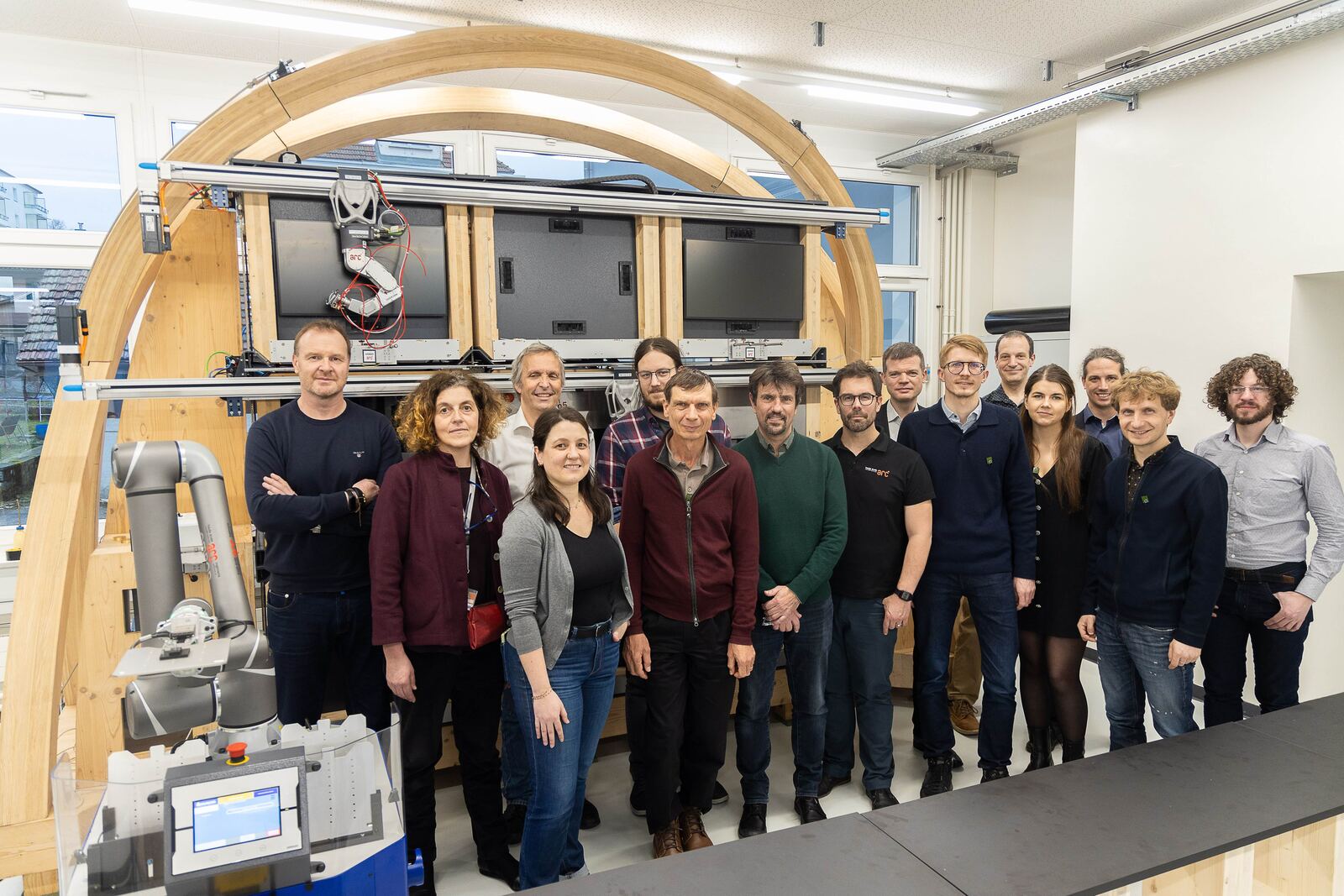
The second DNAMIC project Consortium meeting was held on February 26–27, 2024 at HES-SO, HE-Arc, Campus 2, Espace de l’Europe 11, 2000 Neuchâtel, Switzerland.
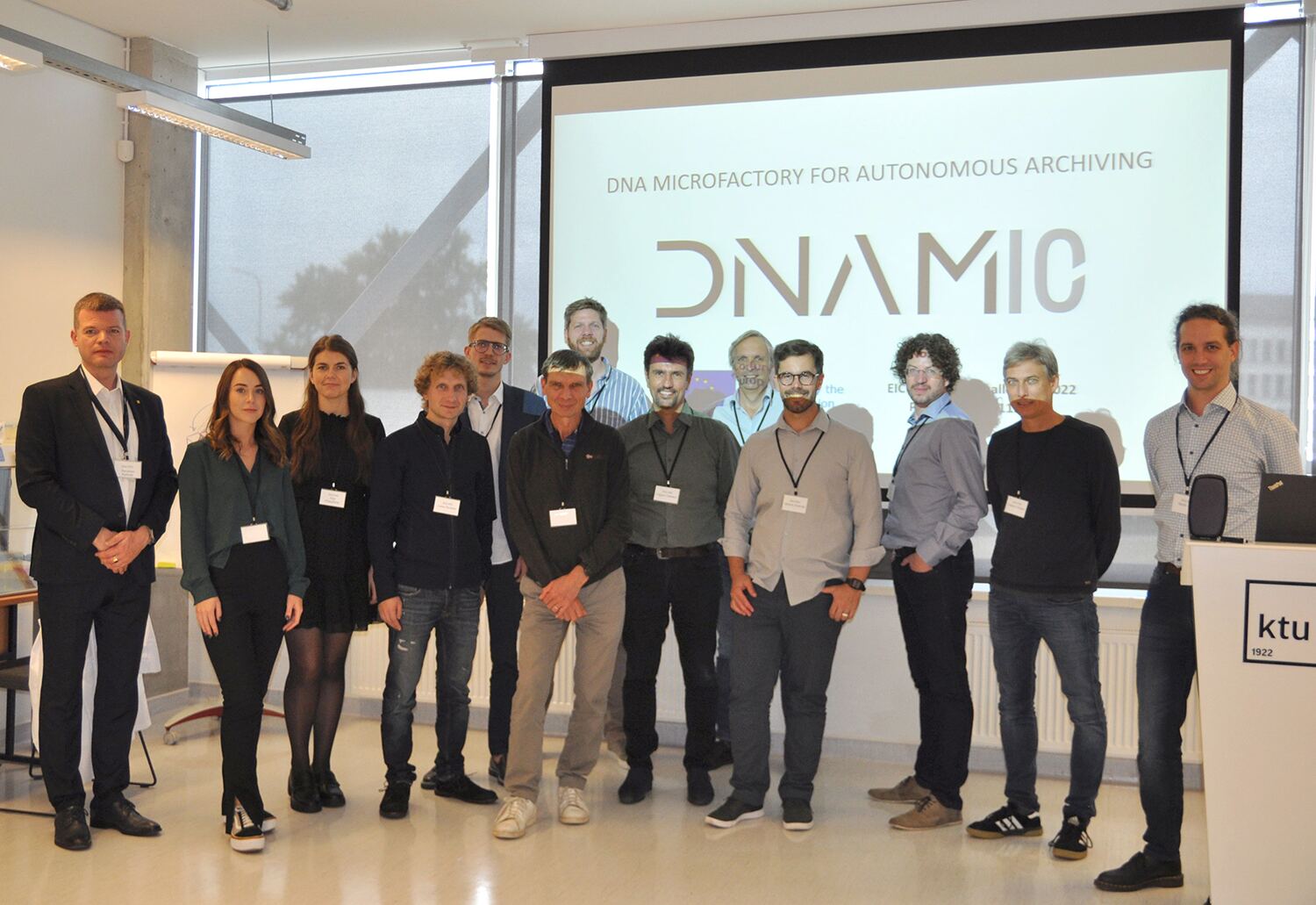
The first DNAMIC project kick-off meeting was held on October 2–3, 2023 at the Integrated Science, Studies and Business Centre “Santaka Valley”, Kaunas, Lithuania.