Silicon had its seventy years. This is DNA's turn.

We write data with the same light that built the chip industry, into the molecule that's been running storage since before there was a planet worth storing data about.

See how it works
1 000 000x
Denser than existing technologies.
10,000+
Year stability.
0 kWh
During storage.
Resilient
Radiation and EMP resistant.

We write DNA with the light that built the chip industry.

Photolithography uses patterned light to decide where chemistry happens. We apply it to DNA. Light selects the points where the next base attaches, across millions of strands at once.

We place the four letters of life, A, C, G, T, with the precision the chip industry spent seventy years perfecting.
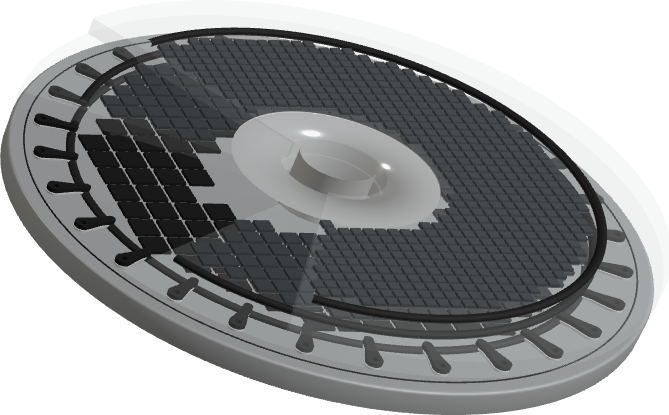
Read a copy. The original stays on the disk.

The disk is what makes DNA operational. To read a record, we multiply just that record and read only the copies. The original stays on the disk as DNA, ready to be read again.

Targeted retrievalOriginal stays intactRewritable

How it fits together

Write, store, then choose how to keep it. Scroll to walk through it.

Writing

This is where your data becomes DNA.

SOFTWARE

Coding logic

Translates your files or databases from 0s and 1s into a design file in DNA's four letters: A, T, C and G. It follows the OAIS data archiving standard.

HARDWARE

DNA synthesis module

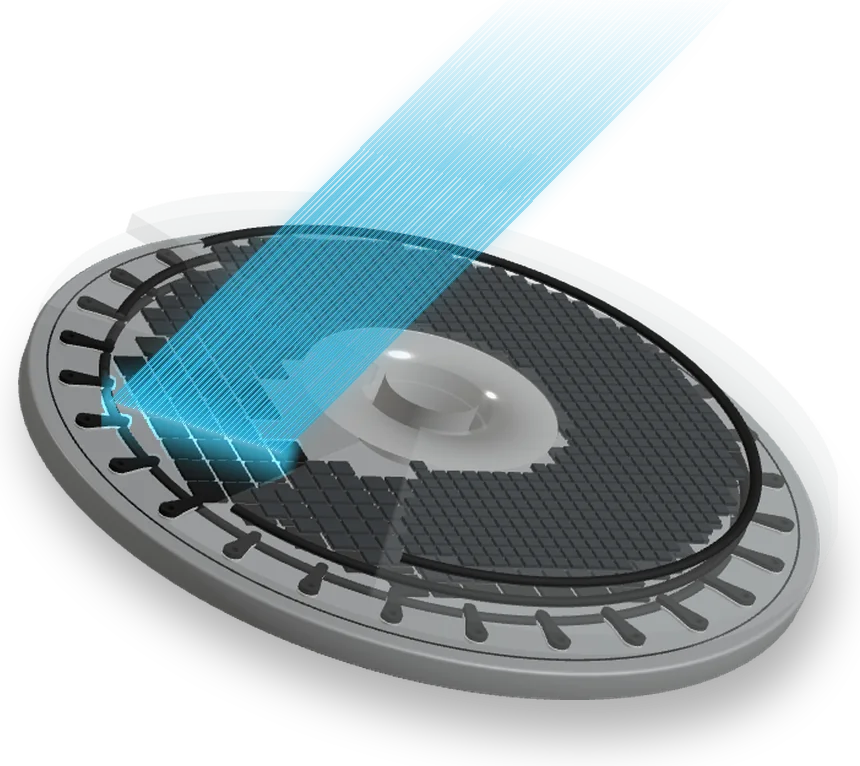
Light-directed synthesis writes every base in parallel, across millions of points at once.

Illustration: a wall of light beams arrives from the top right and lands on the black squares of the disc, which light up.

Store

One write. From here the data has two lives: a permanent copy built to outlast everything, and an operational copy built to be used.

HARDWARE

Disk and capsule

The disk keeps data operational. A sealed capsule keeps the permanent copy.

SOFTWARE

Data management

Tracks every record and keeps it readable, built on the OAIS standard.

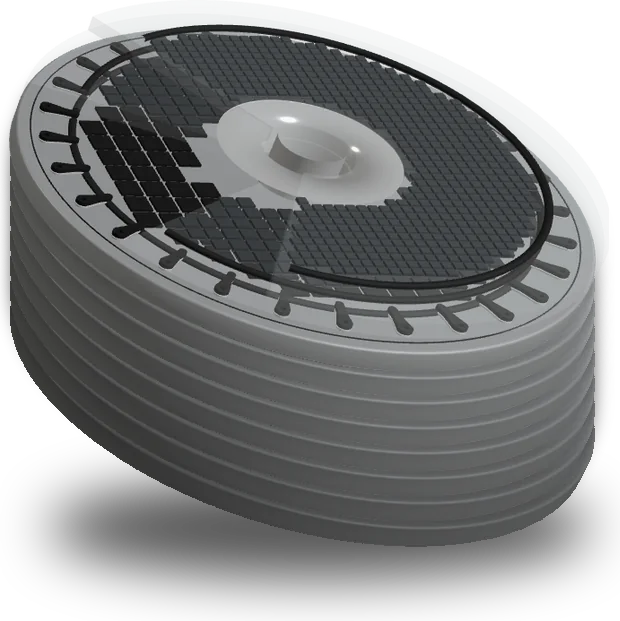
A stack of storage discs, one on top of another.
STORE SPLITS INTO TWO

Permanent storage

Enabled by the DNA capsule. Built to keep data for centuries.
Pull a record when it is needed, read it and verify it against the source.
Retrieve
Read
Decode
PRESERVED, UNTIL NEEDED

Operational storage

Enabled by the disk. Built to be read and rewritten.
Multiply the record you need, read the copies and decode them. The original stays on the disk, so the cycle can run again.
Retrieve
Read
Decode
CYCLES BACK TO STORE
“The bottleneck in computing is moving up the stack, from processors, to memory, to the medium itself.”
Robertas Skliaustas, Chief Executive Officer
385 ZB
of new data created a year by 2028, up from 159 ZB in 2024.
IDC, 2024 FORECAST
415 TWh
of electricity used by data centers in 2024, 1.5% of the world's total.
IEA, 2025
945 TWh
projected for 2030, more than double.
IEA, 2025

Where DNA storage fits

We start where data has to last and build toward where it grows.

01National & Cultural Archives
01

National & Cultural Archives

THE NEED

Long-term storage that never needs re-copying.

HOW WE FIT

One write. DNA holds data for 10,000+ years at room temperature, and our data management follows the OAIS archiving standard.

02Scientific & Research Data
02

Scientific & Research Data

THE NEED

Large datasets that gain value over time and cost too much to keep on existing technologies.

HOW WE FIT

DNA stores far more in far less space and draws no power while it waits, so keeping every dataset becomes practical.

03Critical Infrastructure
03

Critical Infrastructure

THE NEED

Large datasets that have to survive.

HOW WE FIT

Resilient to radiation and EMP, with a sealed permanent copy that outlasts the systems around it.

04AI & Cloud Data Centers
04

AI & Cloud Data Centers

THE NEED

Large volumes of AI training data, with mandates to keep it for at least 10 years.

HOW WE FIT

Operational DNA storage sits alongside disk, tape and flash: dense, drawing no power at rest, and retrievable when a model needs the data again.

The people writing data into DNA.

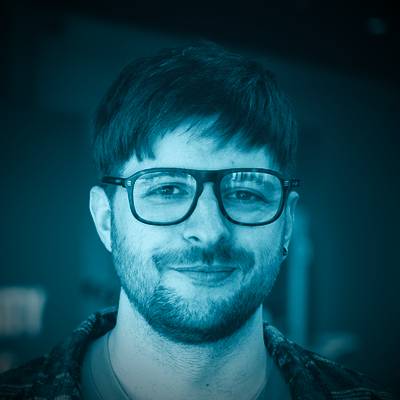
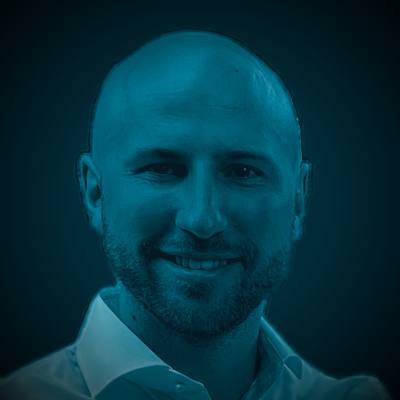
Portrait of Robertas Skliaustas
Robertas Skliaustas
Chief Executive Officer
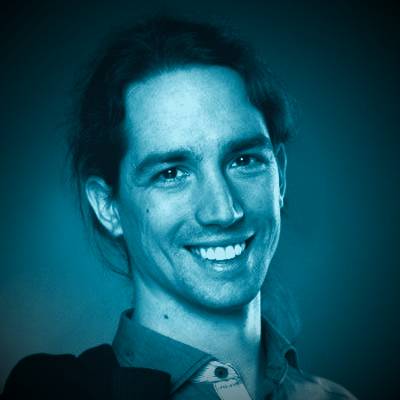
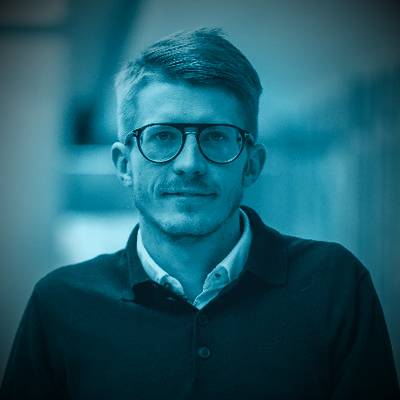
Portrait of Martin Jost
Martin Jost
Chief Technology Officer
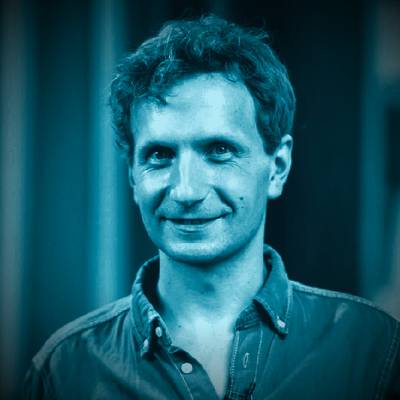
Portrait of Dr. Simonas Juzėnas
Dr. Simonas Juzėnas
Chief Scientific Officer
Portrait of Ignas Galminas
Ignas Galminas
Chief Operating Officer
Portrait of Dr. Lukas Žemaitis
Dr. Lukas Žemaitis
Head of Lab

Build the future of data centers with us.

Whether you run an archive, a research program or a data center, or you work on DNA storage yourself, we would like to hear from you.

WRITE TO US
dna@dnamic.org
FOLLOW US
DNAMIC on LinkedIn